Homeopathy for travel sickness: seat, sight, and patterns
Original ItsHomeopathy in-depth guide to travel sickness.


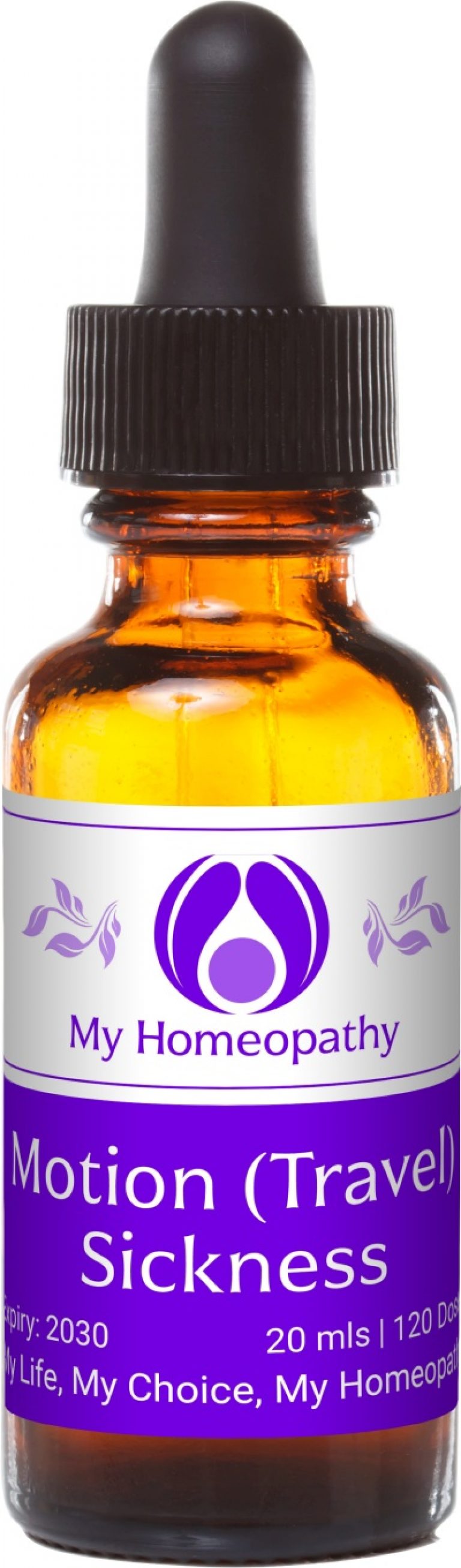
Homeopathy for travel sickness: seat, sight, and patterns — an original ItsHomeopathy in-depth guide. We match patterns like symptoms and temperament, not labels. Every recommendation carries its own safety boundary.
Quick answer
For travel sickness, the most common remedies are: Cocculus, Tabacum, and Nux vomica. Shortlists alone can mislead you. Selection depends on differentiation and the rules below. Read this entire guide before considering any remedy.
From list to logic: how selection actually works
Three questions separate good selection from random picking. First, what makes it better or worse? Consider heat, motion, and time of day.
Second, what does it feel like? Look for pain, thirst, or sleep changes. Third, who is experiencing it? Note if they are irritable, anxious, or withdrawn.
The shortlist in depth
1. Cocculus
This is for motion nausea. It earns its place through evidence: the sensation must match, and at least two conditions must agree. One matching symptom is just interest; three agreements mean candidacy.
Study it closely when the portrait matches your case. Set it aside when the person’s temperament opposes it. At the bedside, only dose if you have written evidence supporting the choice.
Differentiation drill: Compare Cocculus to another remedy on this list. If you cannot explain the difference in two sentences, study both portraits again.
2. Tabacum
This is for deathly nausea that feels better in open air. It requires convergent evidence: the sensation must match, and at least two conditions must agree. One matching symptom is interest; three agreements mean candidacy.
Study it closely when the portrait matches your case. Set it aside when the person’s temperament opposes it. At the bedside, only dose if you have written evidence supporting the choice.
Differentiation drill: Compare Tabacum to another remedy on this list. If you cannot explain the difference in two sentences, study both portraits again.
3. Nux vomica
This is for irritable digestive issues. It requires convergent evidence: the sensation must match, and at least two conditions must agree. One matching symptom is interest; three agreements mean candidacy.
Study it closely when the portrait matches your case. Set it aside when the person’s temperament opposes it. At the bedside, only dose if you have written evidence supporting the choice.
Differentiation drill: Compare Nux vomica to another remedy on this list. If you cannot explain the difference in two sentences, study both portraits again.
4. Pulsatilla
This is for fatty queasiness. It requires convergent evidence: the sensation must match, and at least two conditions must agree. One matching symptom is interest; three agreements mean candidacy.
Study it closely when the portrait matches your case. Set it aside when the person’s temperament opposes it. At the bedside, only dose if you have written evidence supporting the choice.
Differentiation drill: Compare Pulsatilla to another remedy on this list. If you cannot explain the difference in two sentences, study both portraits again.
5. Arsenicum
This is for burning chill nausea. It requires convergent evidence: the sensation must match, and at least two conditions must agree. One matching symptom is interest; three agreements mean candidacy.
Study it closely when the portrait matches your case. Set it aside when the person’s temperament opposes it. At the bedside, only dose if you have written evidence supporting the choice.
Differentiation drill: Compare Arsenicum to another remedy on this list. If you cannot explain the difference in two sentences, study both portraits again.
Worked illustration
Two people may share one label but need different remedies. One is chilly and thirsty; the other is warm and thirstless. Individualize your case before choosing any remedy.
Second illustration — the partial match
A person might match the chief complaint but not the temperament. Beginners often dose on partial matches and see no results. Trained prescribers recognize the deficit and keep observing.
Costly mistakes that waste months
- Picking from a list without verifying the details.
- Increasing potency for a bad match.
- Combination dosing that blurs assessment.
- Ignoring physical causes like medication or sleep issues.
- Skipping safety exits to try “one more dose.”
Building your reference shelf
Cross-check your findings in two materia medicas. Keep a repertory handy for verification. Maintain a notebook of the two-sentence separations that helped you decide.
Practical protocol
Confirm stage: Only treat mild, clear cases at home. Seek medical care for severe or recurrent issues. One dose: Use one low-potency dose and observe. Log: Track symptoms at 6, 24, and 72 hours. Exit: Stop if you see red flags or no improvement.
Self-care that carries the outcome
Sit in the front and look at the horizon. Eat light meals. These habits change the terrain and clarify the pattern.
Safety and escalation
Dehydration, fainting, and severe headaches require medical assessment. Educational material never overrides these safety exits.
When home study ends — referral map
See a practitioner if the issue is recurrent or if two doses produce no movement. See a doctor immediately for infections, injuries, or bleeding. Work with a team, not alone.
Reading response: a mini-manual
If you see steady improvement, do nothing. If you see improvement then a stall, reassess with a professional. If you see no movement, your match or potency was likely off.
Twelve-week self-study plan for this topic
Weeks 1–2: Memorize the two-sentence separations. Weeks 3–4: Log observations without dosing. Weeks 5–8: Study ten full monographs. Weeks 9–10: Grade your own logic. Weeks 11–12: Take a supervised lesson.
Your case log template (copy into a notebook)
Track the date, triggers, sensations, and modalities. Include notes on sleep, digestion, and temperature. Bring this log to every professional consultation.
Frequently asked questions
Can I combine two remedies from the shortlist?
No. Classical method uses one remedy at a time to track response. Combinations blur your assessment.
What potency should I use?
Home-study guides use low potencies like 6C or 30C. Higher potencies are for professional use only.
How soon should it act?
Judge acute cases in hours or days. Longer horizons without review invite confusion.
What if nothing matches well?
The case is likely under-observed or not for home study. Keep medical assessment primary.
How do I know I am improving at selection?
Your differentiation sentences get shorter. Your remedy-hopping rate falls. Your red-flag exits get faster.
Can these guides replace a course?
No. They prepare you for one. Supervised training is where you build real skill.
Where do I learn the method properly?
Study the law of similars, minimum dose, and totality. Then, enroll in a supervised course.
Original in-depth guide for ItsHomeopathy. Consult qualified professionals for personal advice.